Why wild land helps
The single kindest thing you can do for a patch of ground is often to do less. Here's why letting land run wild works.

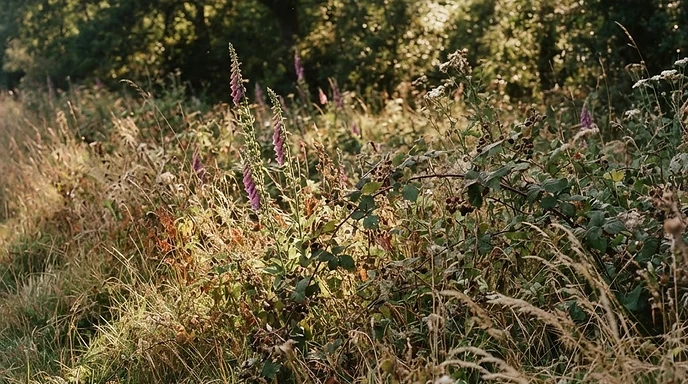
The idea of doing less
Gardening has, for a long time, been about control — neat edges, bare soil, everything in its place. But a wood doesn't work like that, and neither does a healthy garden edge.
When you step back, the land fills in. Long grass shelters voles, which feed the owls. Bramble flowers feed bees, then blackberries feed birds. Dead leaves break down into soil. Nothing is wasted.
What wild land actually does
- Stores carbon. Unmowed grass and unturned soil hold onto far more carbon than a manicured lawn.
- Holds water. Deep-rooted plants and leaf litter slow rainfall, reducing runoff and drought stress.
- Feeds the food web. Every untidy corner — a log pile, a nettle patch, a standing dead stem — is home to something.
- Heals itself. Given time, wild land builds its own fertility through fungi, roots and decay.
The worry people have
"Won't it look neglected?" This is the real question, and it's fair. There's a difference between abandoned and managed wild. A wild garden is still designed — it just chooses which species to favour and which to hold back, then lets the rest get on with it.
A loose path mown through long grass. A scallop cut into a hedge to let light in. A log stack set where you can see it. Wildness, framed.
The land doesn't need managing so much as it needs listening to.
Where to start
You don't have to let the whole place go. Start with a corner. Leave the cuttings, leave the seed heads through winter, leave a dead log to rot down. Watch what turns up. You'll be surprised how quickly a small wildness becomes a busy one.

