Native trees of East Sussex
A working guide to the trees you'll meet in a Sussex wood — what they tell you about the ground, and what they're good for.
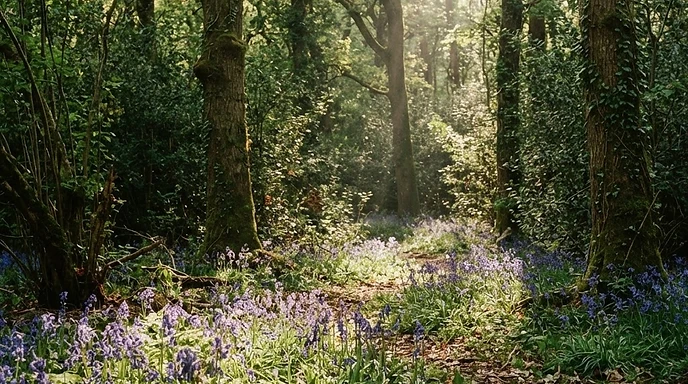
Reading a wood through its trees
The trees in a wood are not random. They tell you about the soil, the water and the history of the ground. Learn the main ones and you can read a Sussex landscape from a distance.
Oak — the backbone
Pedunculate oak is the great tree of the Weald. Heavy clay, damp ground, a long life. Oak is slow, dense and deeply rooted. A single mature oak can support hundreds of insect species and feed a whole food web. It's our best firewood when seasoned for two years.
Ash — the light-bringer
Ash loves a lighter, freer-draining soil. Its leaves come late and fall early, letting light through the canopy — which is why the ground under ash is often the richest. Ash burns well even green, a rare trait. Ash dieback has changed our woods deeply; many stands are now ghost canopies opening to new growth beneath.
Hornbeam — the quiet one
Hornbeam looks like beech but holds its dead leaves through winter. Catkin flowers in early spring, hard wood that cleaves cleanly — historically used for gear teeth and wheel hubs. Dense, hot-burning firewood.
Beech — the shade-maker
Beech on the chalk and the high Weald edges. It casts a deep, clean shade, beechmast in autumn feeds pigs and pigeons. The wood is pale and strong; the firewood burns hot and bright once seasoned.
Hazel — the coppice king
Hazel isn't a timber tree — it's a coppice. Multiple stems from a stool, cut on a 7–10 year cycle. The rods are flexible and clean: hurdles, binders, pea sticks. Under an oak standard, hazel coppice is the classic Sussex low-wood structure.
Field maple & hawthorn
The smaller trees that fill the hedge and the edge. Field maple for early pollen, hawthorn for blossom and a thorny, bird-safe nesting structure. Neither makes big timber; both are essential to the mosaic.
Learn six trees and you can read most of East Sussex.
What to plant
If you're adding to a wood or a hedge, favour locally native species grown from local seed. They suit the soil, the climate and the insects that already live there. Exotic specimens are fine in a garden, but in a working wood, native is the honest choice.

