

The SussexWildling
Land that lives a little wilder. Practical garden and woodland care across East Sussex.
Get a free quoteThe Work
The work starts with what already lives in a place — the birds, insects, fungi and wild corners — and shapes the tending around it, rather than tidying it away.
Gardens
- —Habitat planting for pollinators, birds + moths
- —Native hedgerow + berry-bearing shrubs
- —Wildflower margins + rough grass
- —Pond edges, damp corners + bog planting
- —Log piles, brash stacks + shelter for insects
- —Soil life, leaf litter + mulch
- —Light-touch upkeep that leaves the wild alone
Woodland
- —Looking and listening: noting what lives there
- —Leaving deadwood + log piles for insects
- —Cutting a little each year so the ground can flower
- —Opening up small clearings + soft woodland edges
- —Shrubs and berries for winter birds
- —Nest boxes + bat boxes up in the trees
- —Planting young trees + keeping them safe
Plans & Grants
Ten-year plans & the PA3 grant
A wood needs a plan before it needs a saw. I write woodland management plans and help owners apply for the PA3 Woodland Management grant — a ten-year framework for thinning, coppicing, rides, deadwood, planting and access. Once a parcel is registered with its landowner, the application can go ahead, and the wood has a structure for the next decade of work: for the trees, for the wildlife, and for the sheep grazing alongside them.
- —Woodland survey + inventory
- —Ten-year management plan
- —PA3 Woodland Management grant applications
- —Plans that work alongside grazing sheep
- —Annual records of the work done
From
£25 / hour
Garden + woodland work
Day rate
£180
For larger jobs
Quotes
Free
Once I've seen your space
Grow your own
mushrooms
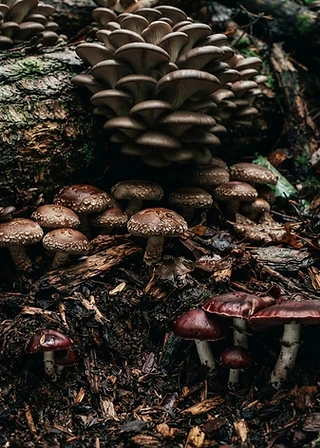
Log inoculation with oyster and shiitake, and wine cap beds grown through woodchip paths — feeding the soil as the wood breaks down.
Inoculations are a springtime service
Wood › Fungi › Soil › Growth

Field Notes

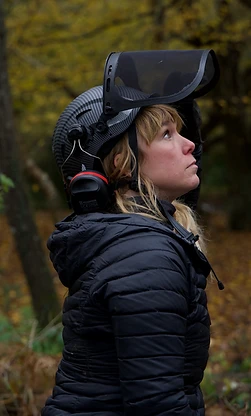
I'm Flick
Local to Hamsey and training in arboriculture. I manage five acres of ancient woodland at Herstmonceux, where a lot of my learning happens.
I've volunteered on a farm for six years, shearing every season. I keep a horse and ride out on the Downs every weekend, come rain or shine. Sometimes I have Poppy the dog with me, but only if you're happy to have her along. She's good as gold.
Good land care doesn't mean making everything tidy. Fallen wood, fungi and wild corners all have their place.
In the field
The land
I work.
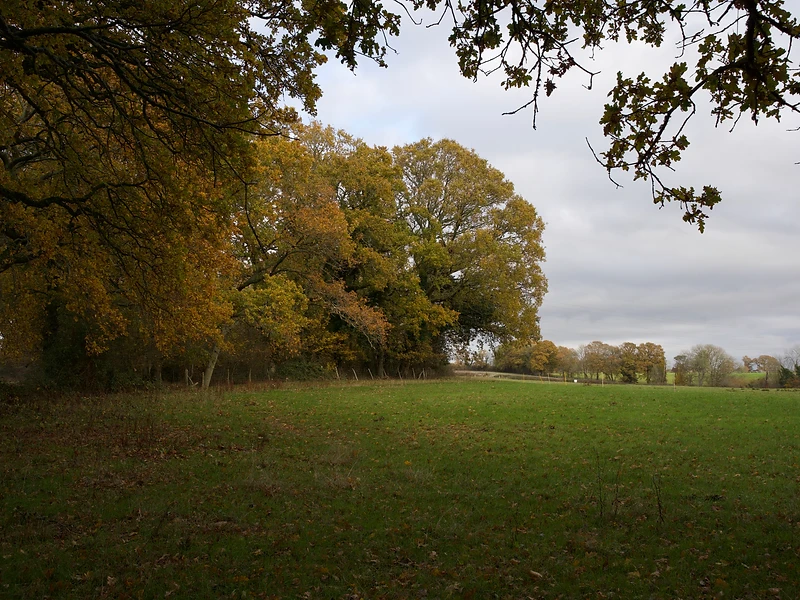
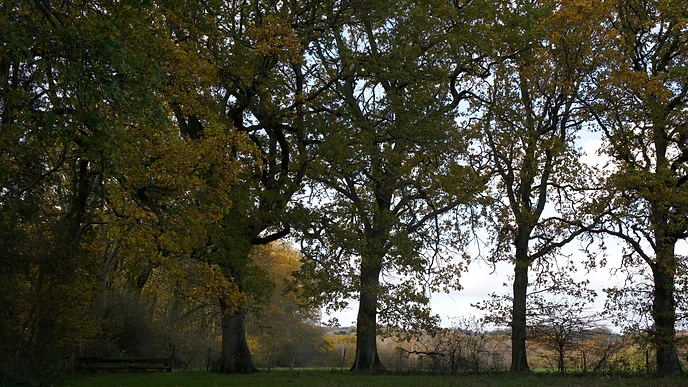
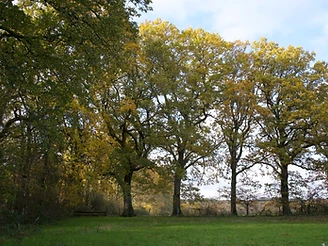
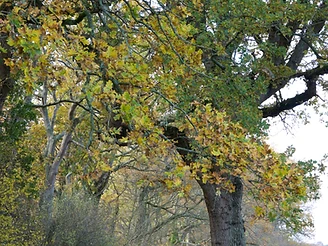
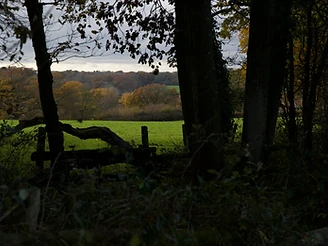
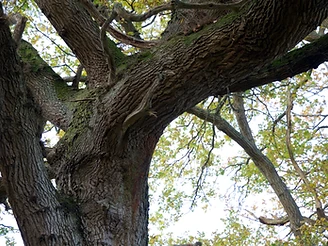
Real places, real trees — the woodland edges, field margins and old oaks I spend my days among across East Sussex.





Qualified to
the chain.
Safe, certified woodland work. Training delivered to the professional user through both practical and theory sessions.
Chainsaw Maintenance & Cross Cutting
0039-20
I qualified at Plumpton, where I trained in chainsaw maintenance and safe operation, plus the cross cutting of timber. The qualification is aimed at the professional user, delivered through both practical and theory sessions — so I can safely process fallen wood on site.
Before any work is agreed, I'll examine a fallen tree first to make sure it's safe to work and free of habitat — birds nesting, rot, or anything living in it that ought to be left well alone.
Broadening the toolkit
- Felling of small trees
- Aerial rescue
- Tree climbing
What burns
well & when.
A rough guide to processing fallen trees into firewood — which species are worth it, what needs a season, and what you can lay on the fire right now, green.
Oak
Slow, hot burn — the king of firewood. Season 2 years.
Beech
High heat, bright flame. Season 1–2 years.
Birch
Quick, hot, beautiful flame. Season 1 year.
Hornbeam
Dense and long-burning, like oak. Season 1–2 years.
Cherry & Apple
Sweet aroma, moderate heat. Season 1 year.
Ash
The exception — low moisture, burns well even green.
Holly
Can be burned green in small, hot stoves.
Elder
Small, soft — burns quick, best mixed green.
Pine & Softwood
Resinous, catches fast — ideal kindling, not main fuel.
Larch
Sparks more, great starter, dry it first.
Rule of thumb — hardwood for heat, softwood for lighting. Split it early, stack it loose, keep it dry.
Frequently
asked.
A few things people usually want to know — including how I like to work. If yours isn't here, just ask.
I always like to see the land first. Before any quote or work, I'll come and walk the site with you — it's the only honest way to understand what's there, what it needs, and what's safe to do. Every piece of ground is different, so I don't price blind. From that visit you get a clear, no-pressure quote.
Yes. A site visit and an initial chat cost nothing and commit you to nothing. It's just a look and a conversation. If you're happy to go ahead, we agree the work from there.
Across East Sussex — Hamsey, Lewes and the surrounding countryside. Further afield by arrangement, usually for larger jobs that make the travel worthwhile.
Often, yes. I'm chainsaw-qualified and can buck and split fallen timber where it lies, turning a problem into seasoned firewood or useful habitat deadwood rather than a skip full of waste. We'll look at access and the tree together on the visit.
Both. Some clients want a fallen limb dealt with once; others want a wood or a wild garden tended through the year on a rolling plan. We'll shape it to your land and your time.
I hold current chainsaw certification and keep my training up to date. Work is carried out to a professional standard, with insurance in place for the work I do.
Send a message through the quote page — a few lines about your land and what you're after is plenty. From there we'll find a time to come and take a look.

